
tempered glass sheets for sale
Understanding Bore Measuring Gauges Importance and Applications In the world of precision engineering and manufacturing, the significance of accurate measurements cannot be overstated. Among the myriad of tools utilized to achieve such precision, the bore measuring gauge stands out as an essential instrument. This article delves into the function, design, and applications of bore measuring gauges, shedding light on why they are indispensable in various industries. What is a Bore Measuring Gauge? A bore measuring gauge, often referred to as a bore gauge, is a precise tool used to measure the internal diameter of a cylindrical workpiece (bore) with exceptional accuracy. Typically used in machining and quality control processes, bore gauges help engineers and machinists ensure that the dimensions of a hole meet specified tolerances. This is crucial for the performance and fit of mechanical components, especially in assemblies where precise interactions occur. Types of Bore Measuring Gauges Bore measuring gauges come in various forms, each suited for specific applications. The most common types include 1. Dial Bore Gauges These gauges use a dial indicator to display measurements. They are user-friendly and provide a clear reading, making them a popular choice for many operators. The design allows for quick assessments of internal diameters. 2. Electronic Bore Gauges Leveraging modern technology, electronic gauges provide digital readings, often with enhanced features such as data logging and connectivity to computers for analysis. These gauges are ideal for environments where data accuracy and integration with other systems are critical. 3. Go/No-Go Gauges Specifically designed to determine whether a bore meets specified limits, these gauges are less about precise measurements and more about confirming that a part is either acceptable or not based on simple criteria. The Measurement Process Using a bore measuring gauge typically involves several steps 1. Preparation Before measurement, the bore should be clean and free from debris. This ensures that the gauge can move freely and provide an accurate reading. bore measuring gauge 2. Insertion The gauge is carefully inserted into the bore until it reaches the desired depth. 3. Measurement The operator activates the gauge, taking note of the readings displayed, whether they are on a dial or a digital screen. Adjustments may be made depending on the specific gauge used. 4. Recording Accurate records are essential for quality control, so results are often logged for traceability, especially in regulated industries such as aerospace and automotive manufacturing. Importance in Industries Bore measuring gauges play a critical role across various sectors, including - Automotive Manufacturing In the production of engine components, precise bore sizes ensure optimal performance and efficiency. Bore gauges help maintain stringent quality standards required in the automotive industry. - Aerospace Engineering Aircraft components must meet strict safety and performance criteria. Bore gauges ensure that parts fit together seamlessly, reducing the risk of failure in critical systems. - Metalworking and Machining In the metalworking sector, bore gauges are used extensively to measure tool and part tolerances, allowing machinists to make necessary adjustments that prevent costly errors. - Construction When dealing with large machinery and infrastructure projects, ensuring that bore holes are accurate is vital for the structural integrity of buildings and equipment foundations. Conclusion In summary, bore measuring gauges are fundamental tools in precision manufacturing and quality assurance processes. Their ability to provide accurate and reliable measurements of internal diameters makes them essential across various industries, from automotive to aerospace and beyond. As technology continues to advance, we can expect improvements in the design and functionality of bore gauges, enhancing their usability and precision. Ultimately, the role of bore measuring gauges in ensuring product quality and performance cannot be overlooked, making them a critical component in the engineering toolkit.
about
tempered glass sheets for sale
Understanding Thread Plug Gauges G and H Classes Understanding Thread Plug Gauges G and H Classes The primary function of a thread plug gauge is to verify the acceptability of external and internal threads. The G class gauges are designed for the functional limits of the thread, ensuring that the part can engage correctly with a corresponding threaded component. Typically, G class gauges are utilized for testing threads that require a higher level of precision and are often employed in production environments where maintaining tight tolerances is essential. These gauges help in ensuring that the parts not only fit together but also function effectively under various loading conditions. thread plug gauge g and h On the other hand, H class gauges are designed with a more lenient tolerance compared to G class gauges. They are used for inspecting threads that do not require as stringent specifications, making them ideal for applications where some degree of variability is acceptable. H class gauges are typically utilized in large-scale production where quick measurements are paramount, and precise fitting is not as critical. They serve to ensure that parts can still be assembled without issues, even if they may not meet the tighter tolerances dictated by G class gauges. When choosing between G and H class thread plug gauges, a manufacturer must consider factors such as the intended application, operational environment, and necessary precision levels. For instance, in aerospace or medical device manufacturing, where safety and reliability are paramount, G class gauges are often preferred. Conversely, in less critical applications, such as general manufacturing or automotive production where speed and cost-efficiency are prioritized, H class gauges may suffice. In conclusion, both G and H class thread plug gauges serve vital roles in maintaining quality standards in threaded components. By ensuring that parts meet the necessary tolerances, manufacturers can minimize defects, enhance assembly processes, and ultimately deliver higher-quality products. Understanding the distinctions between these gauge classes allows for better selection based on specific project requirements, contributing to improved efficiency and effectiveness in production environments.
-

High quality industrial productsagement

High quality industrial products
View Details -

Meet the diverse needs of customers

Meet the diverse needs of customers
View Details -

Strict quality control

Strict quality control
View Details -

Top raw materials

Top raw materials
View Details -

Trusted supplier

Trusted supplier
View Details
Our application
news and information
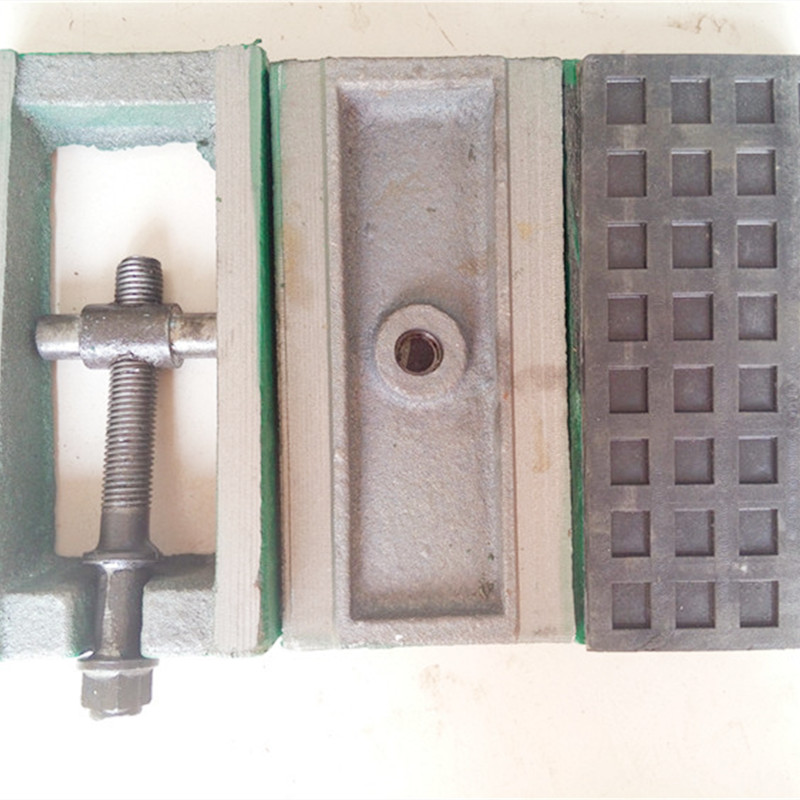
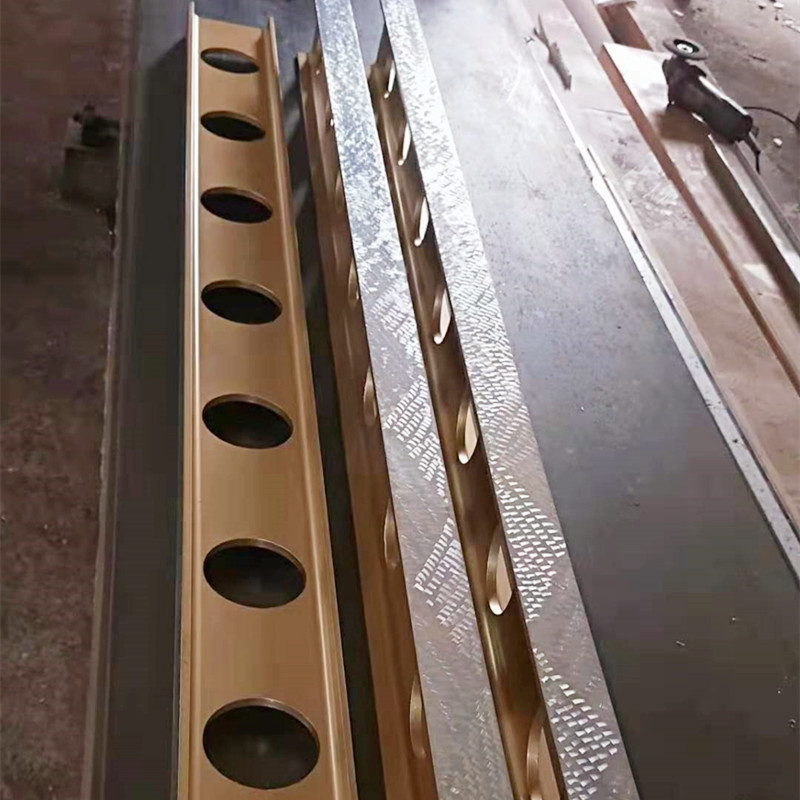
vibration damping pads for heavy machinery
Vibration Damping Pads for Heavy Machinery Enhancing Performance and Longevity In the world of heavy
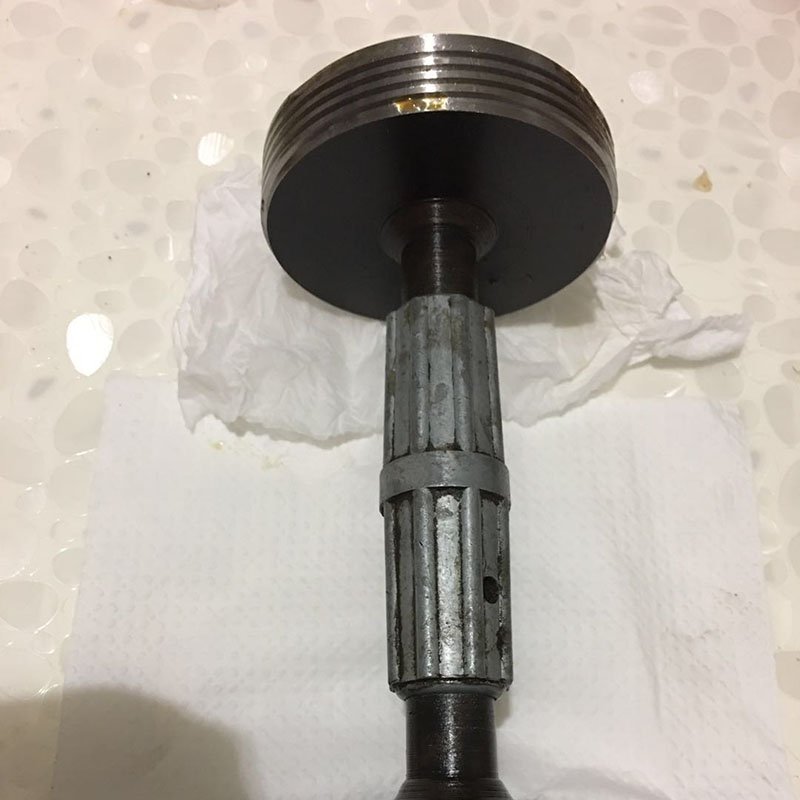
Vertical Y strainer efficient way to filter particles from fluid flow.
Vertical Y strainers are essential components in piping systems that are designed to remove unwanted
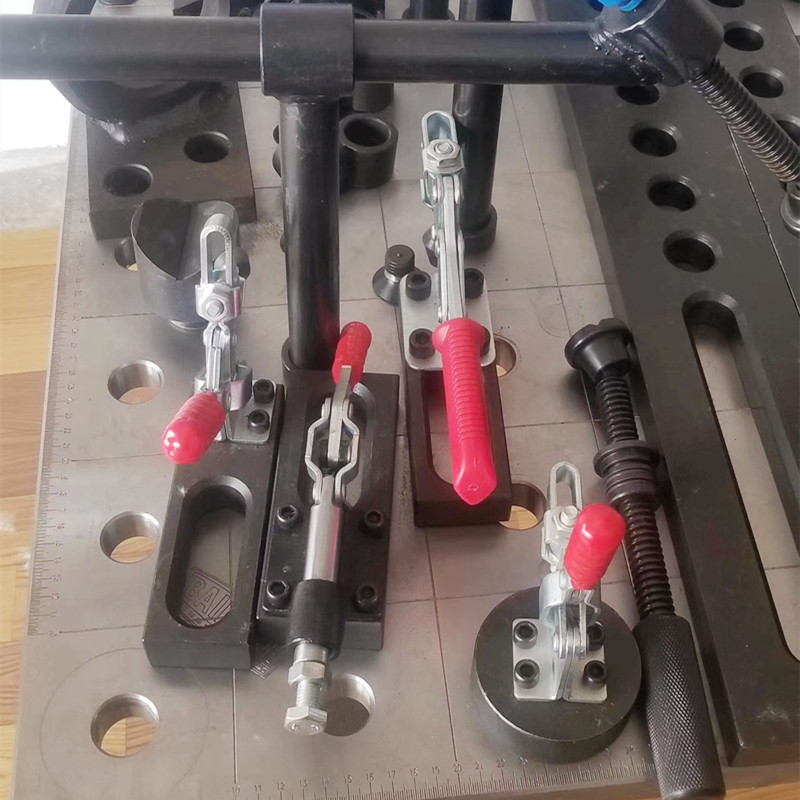
Versatile Portable Welding Table for Convenient and Efficient Metal Projects
The Versatility and Importance of Portable Welding Tables In the realm of metalworking, welding stan
 English